
Solar Village Project

Our work, in numbers and stories

Our Impact

When the power comes on, everything changes. A clinic can refrigerate vaccines. A classroom can stay open past dusk. A family can power their home without burning kerosene. Here's what your support has made possible.

By the numbers

95
Schools powered
35
Clinics & health facilities powered
170
Homes powered with solar home systems
200+
Solar street lights installed
327K
kWh of clean electricity every year
232K
kg of CO₂ avoided every year

About 300 solar projects across eight Indian states and Puerto Rico — since 2014. That's 272 kW of installed capacity, with routine maintenance checks on every system to keep them delivering — like taking 50 cars off the road, every year.

Carbon avoided is calculated from our systems' 326,574 kWh annual generation using the Central Electricity Authority of India's official grid emission factor (0.710 tCO₂/MWh, FY 2024-25). It excludes displaced kerosene and diesel use, so actual avoided emissions are higher.

Stories from the field

Impact Stories

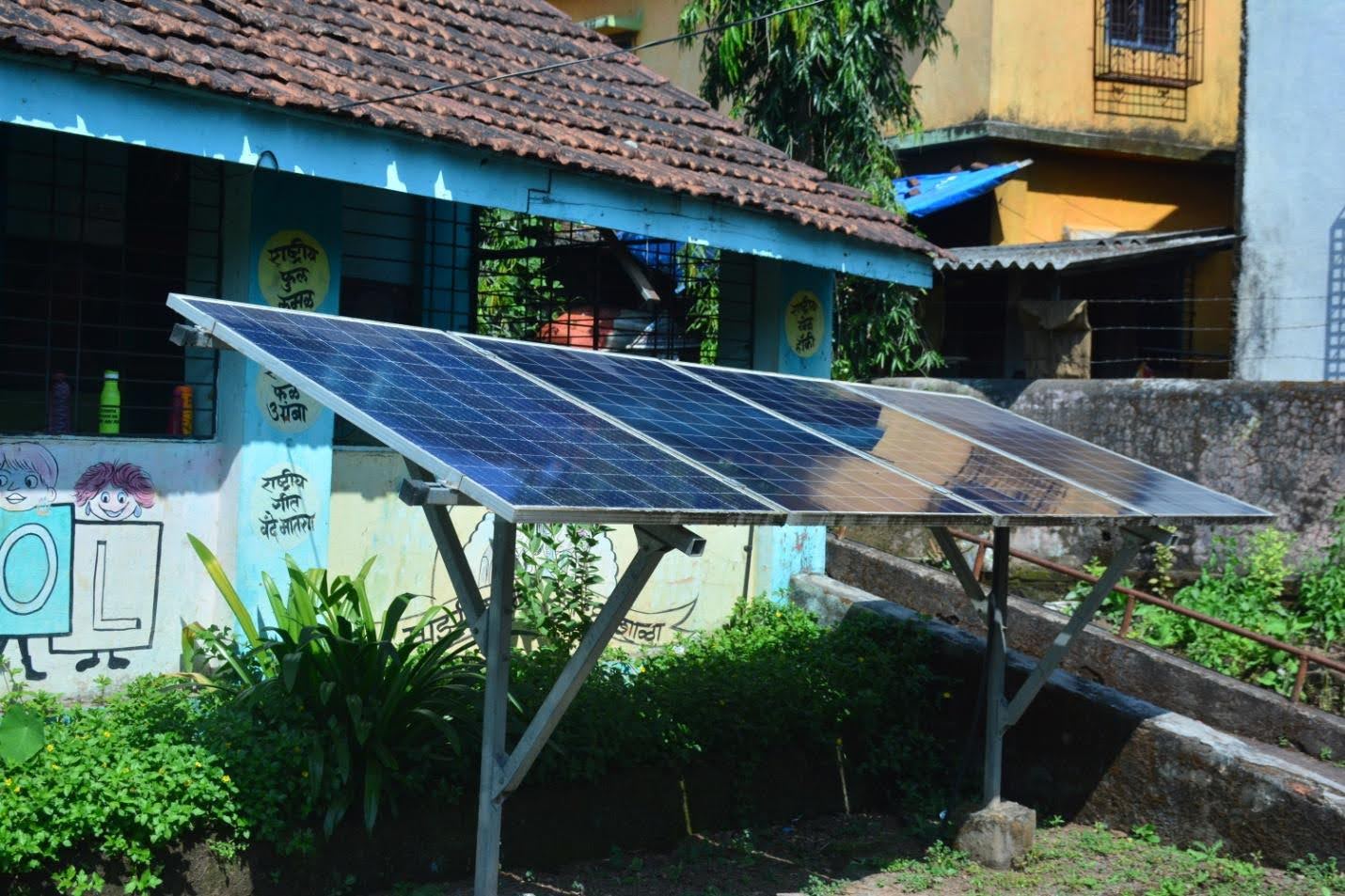
Teacher Eknath Tedke at ZP School Poshir in Maharashtra

ZP School Poshir, Maharashtra

Mr. Eknath Tedke, a teacher at ZP School Poshir, shared his experience with Solar Village Project:

“We are very pleased with the solar system installation and the back-office support provided by Solar Village Project. They have done an exceptional job and have gone above and beyond in their work. The customer service from this organization is better than anything I have experienced. They are doing a great job providing schools with solar electricity, and we are very pleased with their intentions and support.”
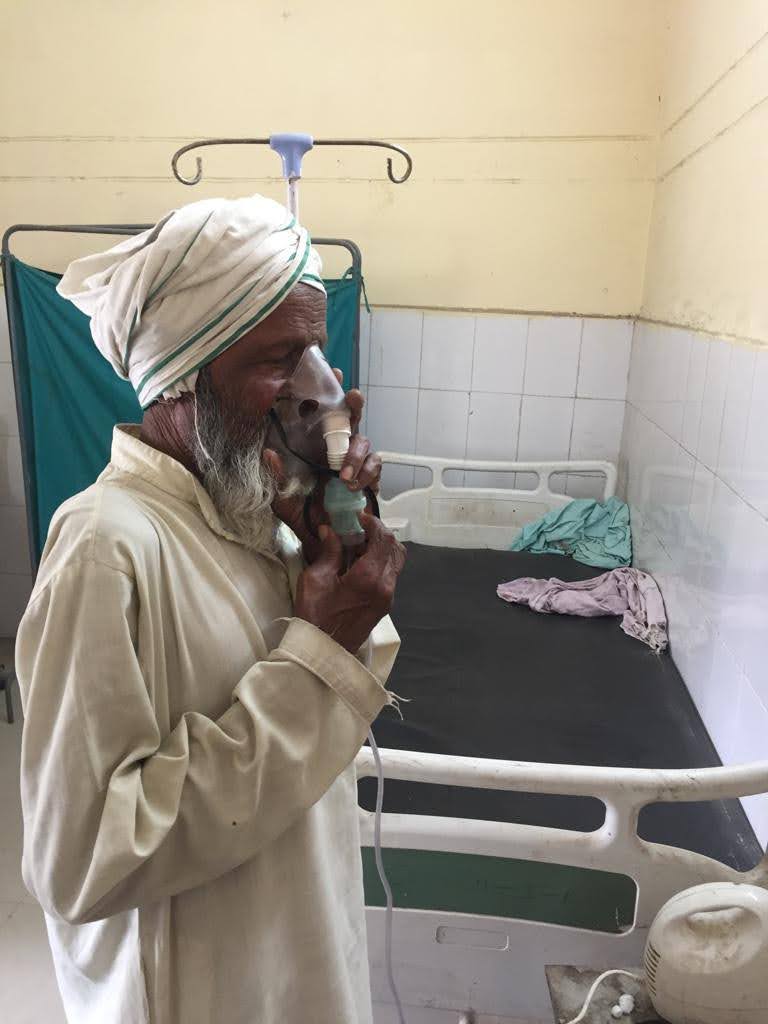
Salaamat Hussain, a 67-year-old farmer in Bhaggadwa village

Bhaggadwa, Bahraich, Uttar Pradesh

Salaamat Hussain, a 67-year-old farmer from Bhaggadwa village in Bahraich, has lived with asthma for 22 years and depends on regular nebulizer treatment at CHC Huzurpur.

Before the solar system was installed, power cuts forced him to visit the clinic 10 to 12 times a month and sometimes wait up to 7 hours for electricity. Since SVP provided solar power backup, he now only needs to visit twice a month.

For Salaamat, reliable power means fewer wasted trips, less waiting, and more dependable access to essential medicine.

Students at ZP School Wakas in a remote area of Maharashtra

ZP School Wakas, Maharashtra

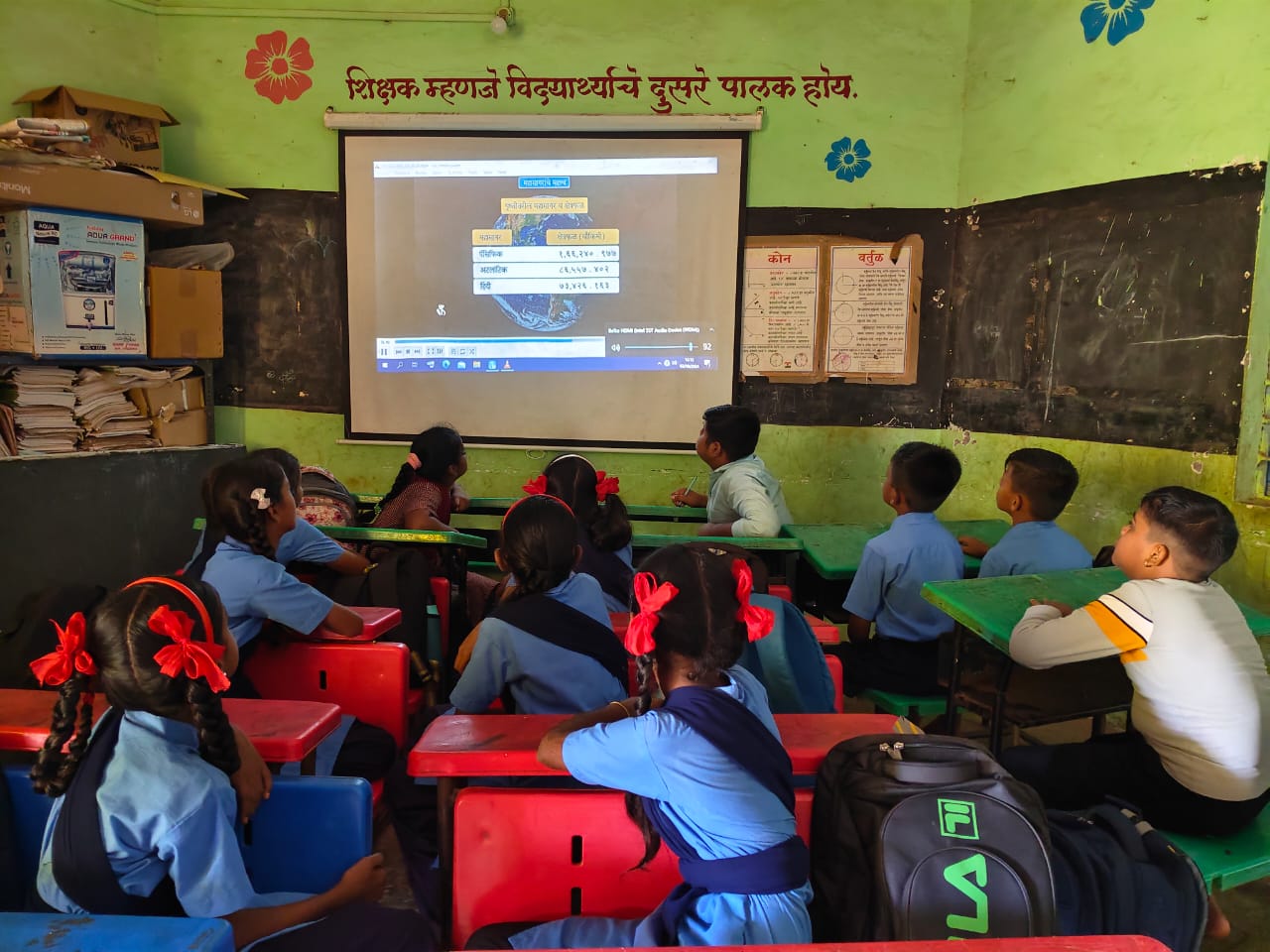
“ZP School Wakas” has the capacity of 100 students studying in standards I to VII. These students belong to the deepest remote areas of Maharashtra, where access to electricity is very poor — and where that unreliable power has meant low school attendance and limited access to digital learning.

With Solar Village Project’s support, the school now has a reliable source of power and the accessibility of digital learning for its students.

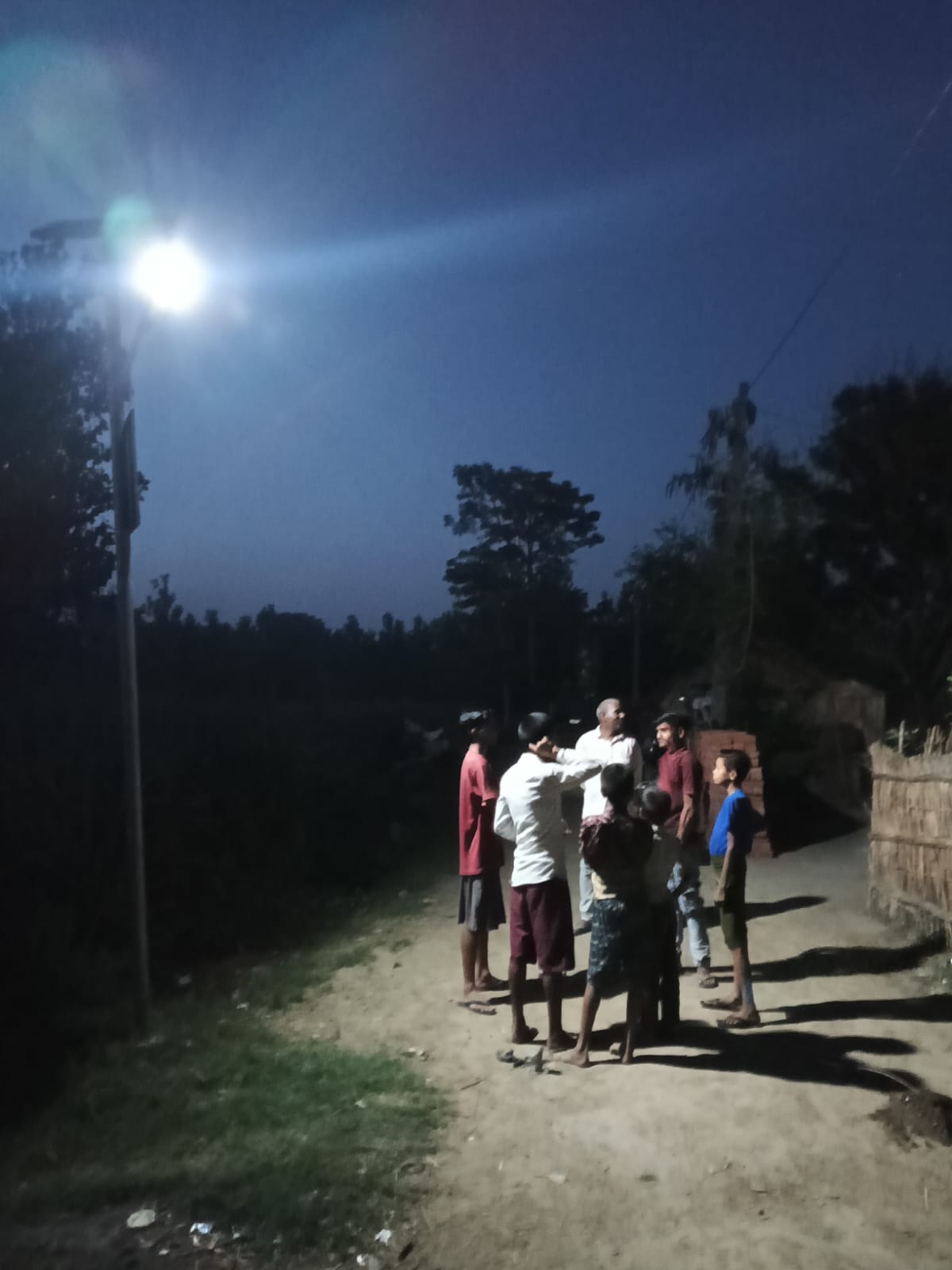
A shopkeeper outside her village shop lit by a solar street light

Chandoli, India

A female shopkeeper from Chandoli shared how the solar street light has directly improved her livelihood:

“After the installation of the solar street light, I am able to keep my shop open later at night. This has increased my earnings and also made it easier for people to travel through and visit the area after dark.”

How we work

Community Outreach

Every project begins and ends with the community. We listen first, design around real local needs, and return months later to measure whether the work delivered what we promised.

From survey to impact

Our Process

We start by hearing directly from community members about how reliable their access to electricity is at home, school, and the clinic.

Using survey results, we select sites where a solar installation will deliver the greatest impact.

We design each solar array around the site's actual electrical needs, then purchase and deliver the materials.

Our experienced technicians install the solar system, with remote monitoring equipment on many sites.

We connect the PV modules, inverter, UPS, and battery banks, and bring the system safely online for daily use.

The completed array is handed over to the school or clinic at no cost.

Every system receives routine maintenance checks, and communities have a direct service line for anything that comes up in between. Many sites also carry remote monitoring that flags issues in real time.

We survey the community at 6 and 12 months to measure the project's real-world effect.

Watch & listen

See It in Action

Stories from the villages, schools, and clinics your support powers.

Support This Work →