
Programs · Women's Empowerment
Women's Empowerment
In the communities we serve, women carry the daily weight of energy poverty — gathering fuel, managing the household, and bearing the health costs of dirty fuel and smoke. So when clean energy arrives, women are often the ones it changes most.
Our Women's Empowerment Program puts solar access, training, and economic opportunity directly in women's hands — helping them lead the transition to clean energy in their own homes and communities, and build independence along the way.
From training to the field
From training to the field
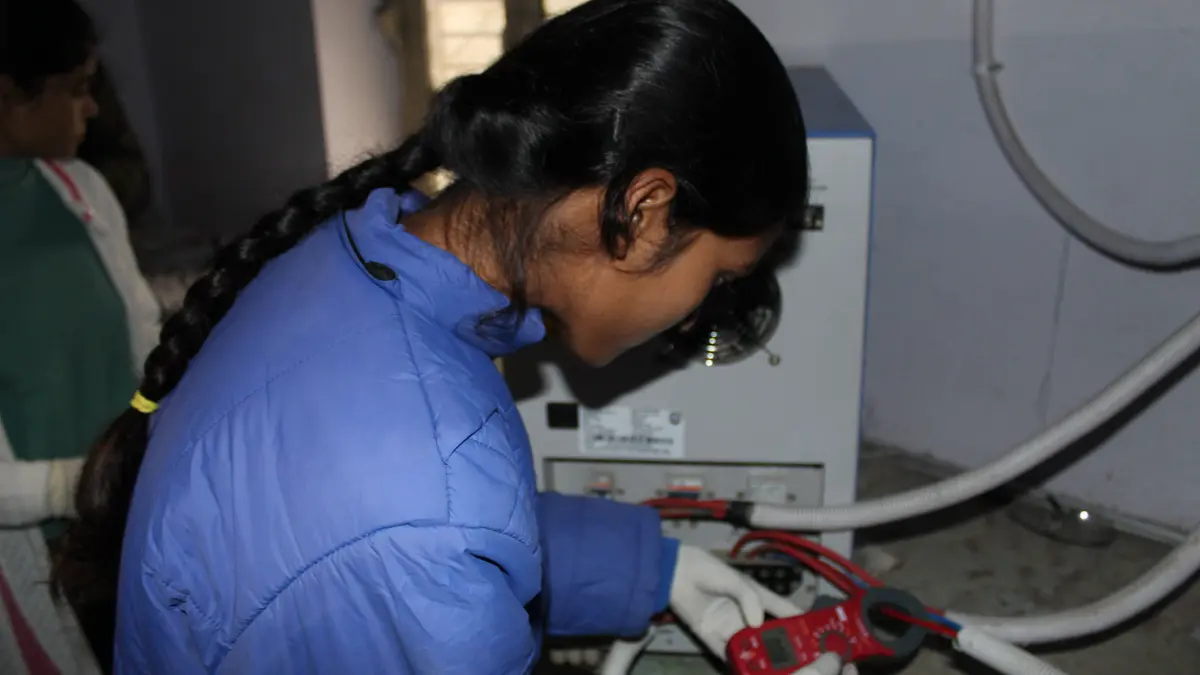
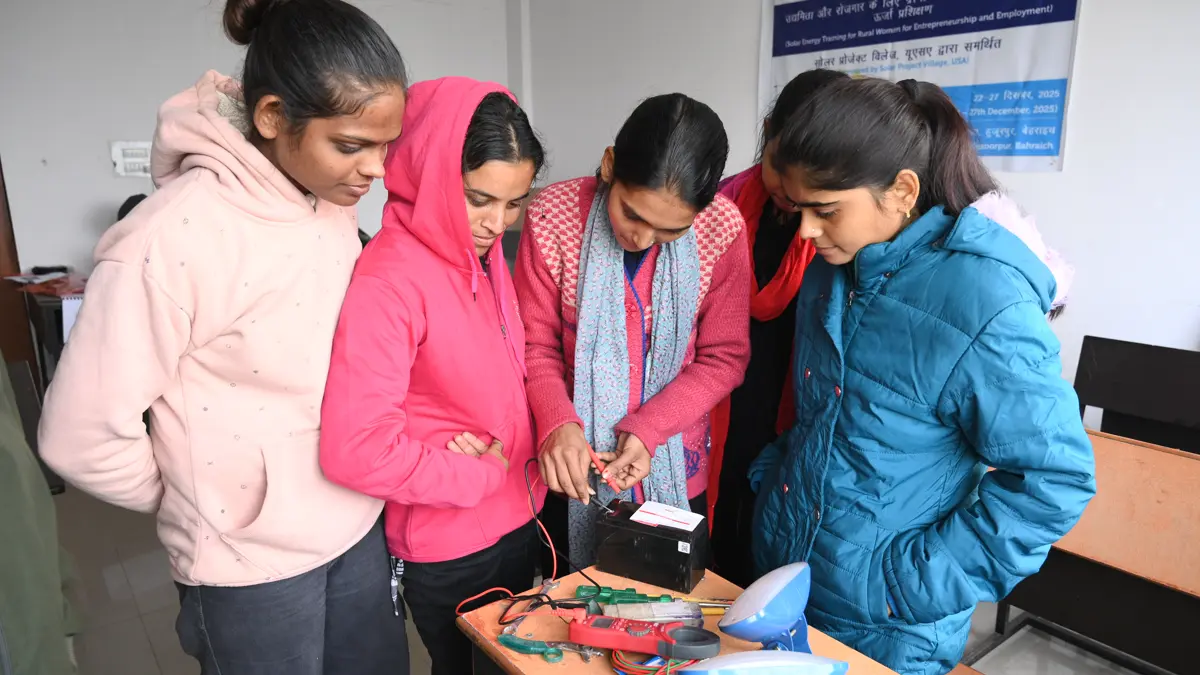
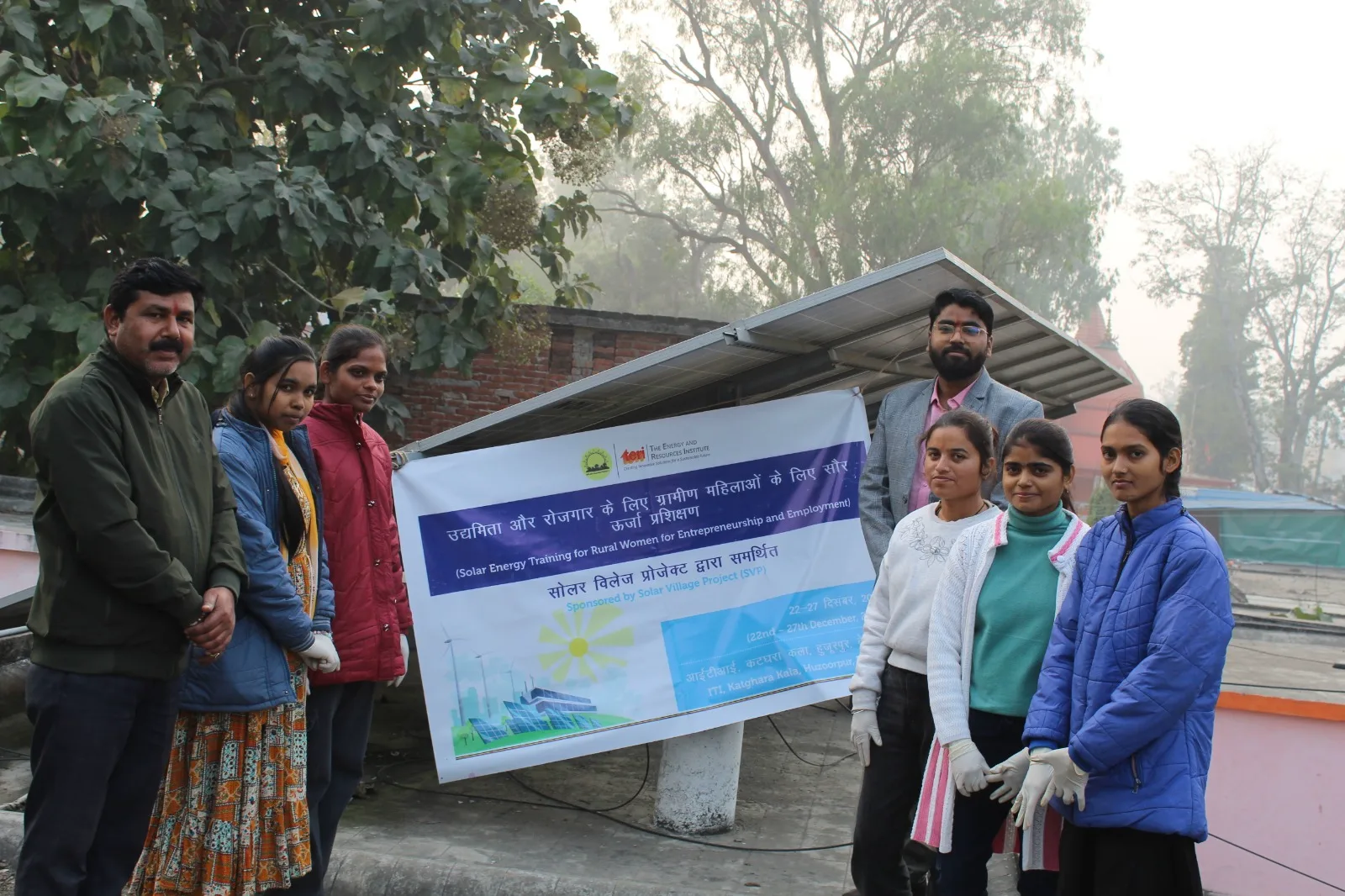
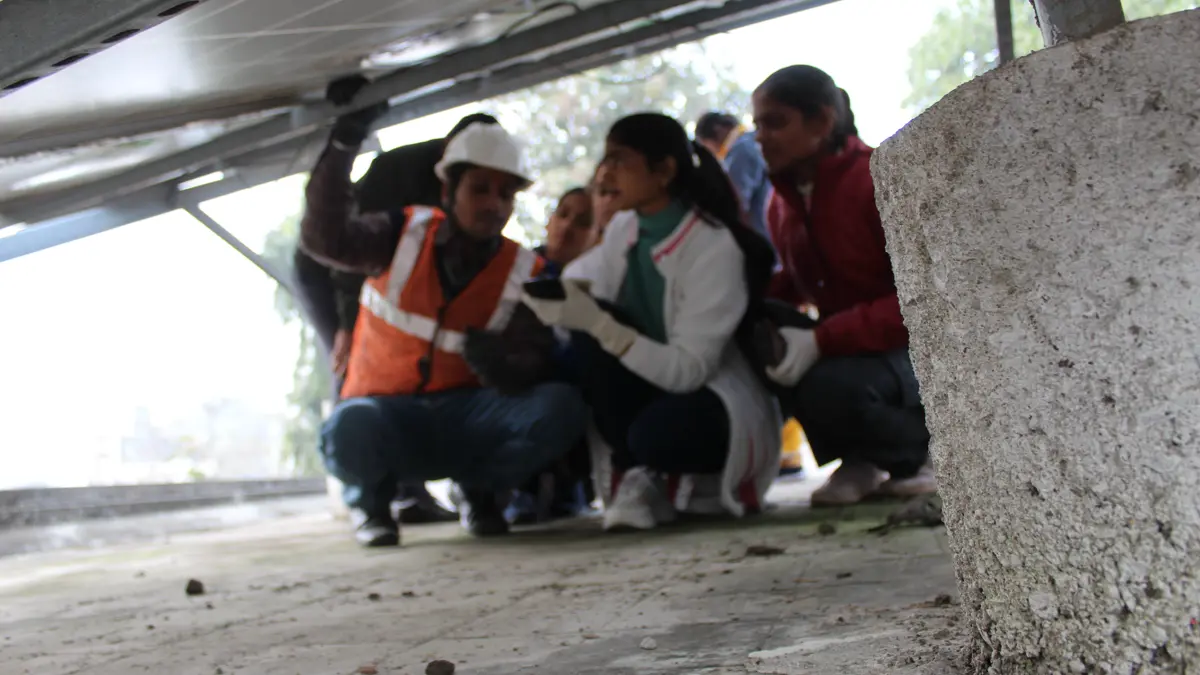
In partnership with The Energy and Resources Institute (TERI), we've launched hands-on training that prepares women for technical careers in solar operations and maintenance. Our pilot in Bahraich District, Uttar Pradesh ran six days of classroom instruction, troubleshooting simulations, and live fieldwork at a working 5 kW solar-plus-storage installation at a primary health center. This isn't theory — the curriculum is built from the real maintenance routines and failure modes we've encountered across our own installations, taught with the checklists and field logs trainees will carry into the job.
Why it matters twice
Why it matters twice
Solar systems only change lives if they keep running — and keeping them running takes skilled local hands. This program strengthens both at once: the reliability of the systems powering schools and clinics, and women's place in the clean energy workforce. The women who complete training and assessment move into supervised field placements maintaining the very systems their communities depend on.
What we learned
The pilot proved the model
Our first cohort completed assessment-based training, with top performers qualifying for supervised field shadowing at health facilities in the Huzurpur cluster. The pilot validated what we believed: with training that's hands-on, field-oriented, and assessed against real standards, women build genuinely job-ready solar skills.
What's next
Help us scale it
We're now seeking partners to grow this pilot into a repeatable district model — cohorts of 10–15 women recruited through local technical institutes, trained by TERI, and placed into supervised maintenance work on real school and clinic systems, with outcomes reported at 30, 90, and 180 days.
If you're a funder or CSR sponsor interested in women's workforce development and clean energy reliability, reach out →